
Diotimos / Features
Stories to spend time with.
Browse the full archive →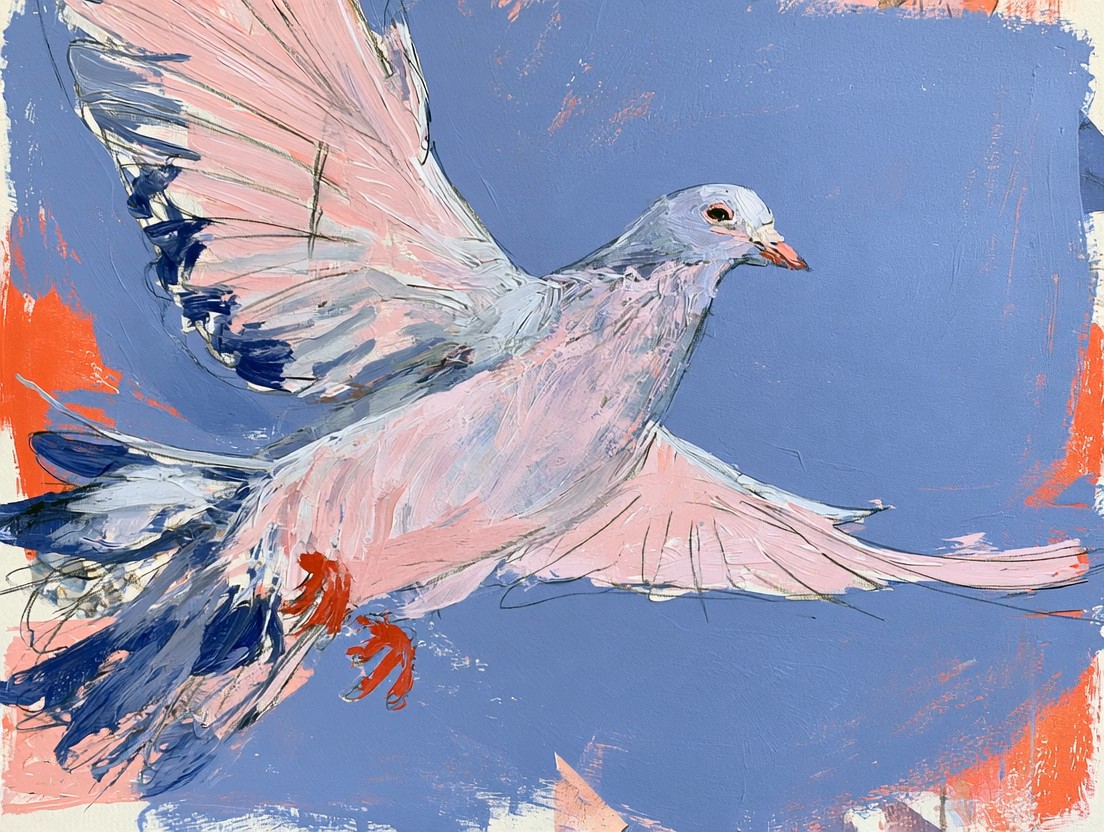
Would Kant's Dove Fly Better in Empty Space?
In the introduction to the *Critique of Pure Reason*, Kant pictures a dove that feels the air pushing against its wings and imagines it would fly better without any air at all, and says that this is what Plato did when he left the world of the senses for the world of ideas. This explainer takes the figure apart: what the dove is supposed to show about reason and experience, why the physics makes Kant's point better than Kant says, where the comparison fits Plato and where Plato had already made it himself, and how the dove became, in Wittgenstein, a philosopher on ice who wants to walk.
Read Feature →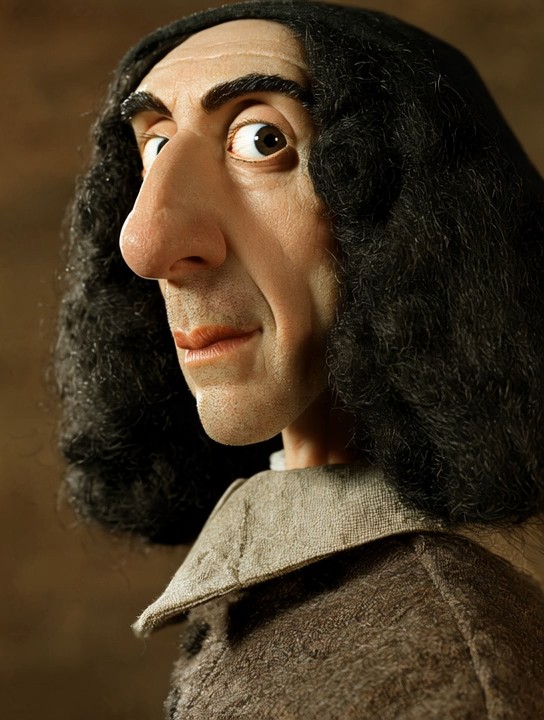
Reading Spinoza's Ethics: Why a Book About Blessedness Looks Like Euclid
Spinoza's *Ethics*, written in Latin between 1661 and 1675 and published only after his death in 1677, is laid out like a geometry textbook: definitions, axioms, numbered propositions, each followed by its proof and the letters Q.E.D. Its subject is God, the mind, the emotions, human bondage, and the way to freedom, and its last page is about blessedness. This introduction asks why a book with that subject was built in that shape, shows a new reader how the first definitions carry the whole structure, and argues that the geometry is not a wrapper around the argument but part of the cure the argument prescribes.
Read Feature →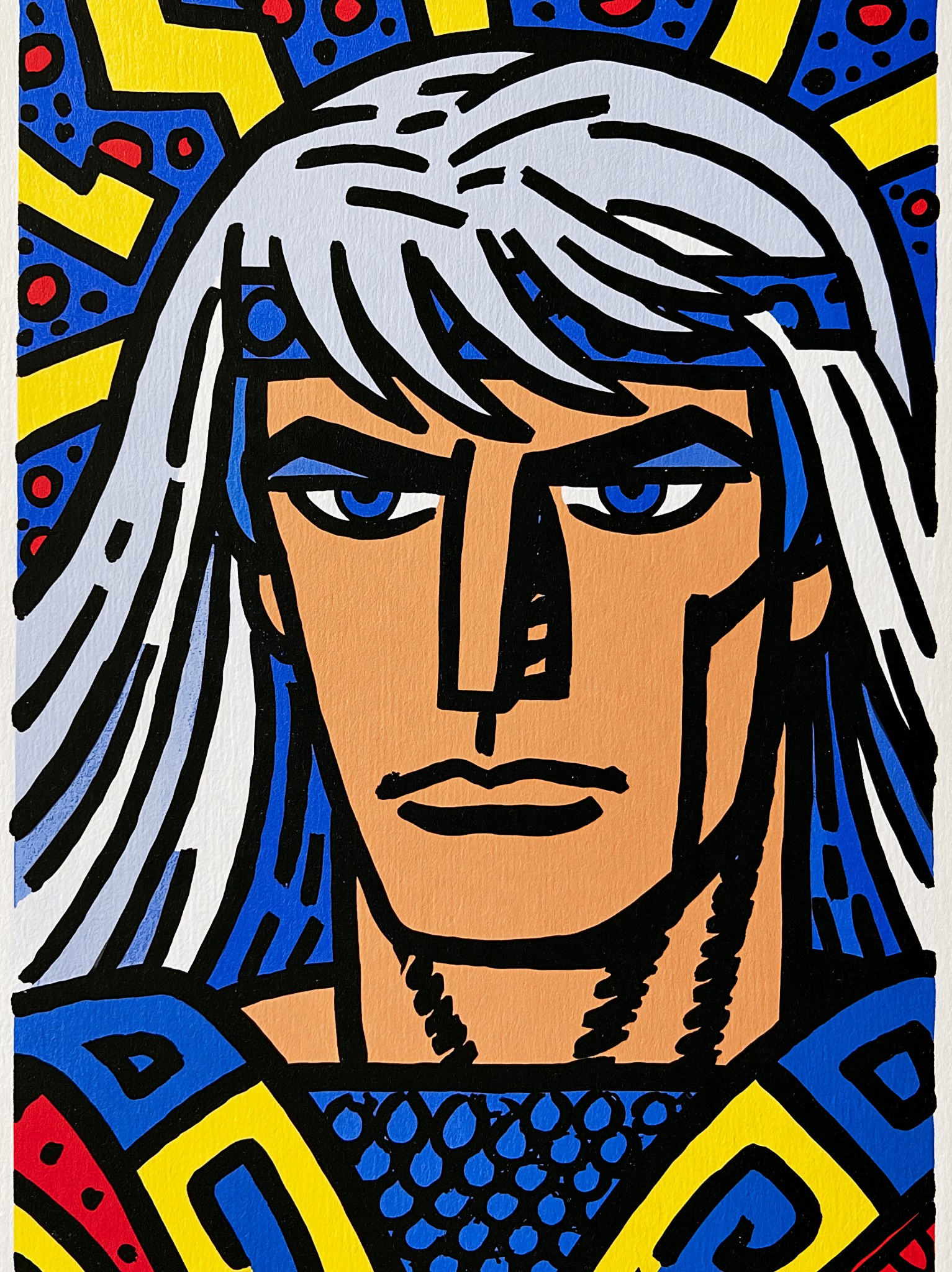
The Arrow Herodotus Would Not Talk About
Abaris the Hyperborean is a man about whom Herodotus declines to tell the story, and the one sentence of refusal is almost everything solid we have: a priest from beyond the north wind who carried, or rode, the arrow of Apollo around the world without eating. This feature follows that arrow through the ancient sources, from Plato's Socrates to Iamblichus's scene in which Abaris hands it to Pythagoras and is shown a golden thigh in return, and then through the modern readings that have made him a Scythian shaman, a Mongolian visitor, or a fiction generated by his own books, to ask what the Greeks were doing when they invented him.
Read Feature →
I Pardon You This Time
Seneca's account, near the end of his treatise on anger, of the evening examination he learned from Sextius and kept himself: three questions put to the spirit when the lamp is out, read with the sentence on the senses that precedes it, the two examples of pleading that follow it, and the older Pythagorean rule it descends from.
Read Feature →
More Things in Heaven and Earth
Hamlet's "There are more things in heaven and earth, Horatio, / Than are dreamt of in your philosophy" is quoted more often than almost any line in the play, usually to rebuke a sceptic. This piece puts it back in its scene, asks what "philosophy" meant in 1600 and why the two earliest good texts disagree about whose philosophy it is, reads Horatio as the man the line is aimed at, and follows the thought back to Plato, who had a name for the kind of thing the Ghost is.
Read Feature →
A Rainbow Up the Spine
The chart on the yoga-studio wall shows seven discs stacked from red at the base of the spine to violet at the crown, and it is usually captioned "ancient." This feature follows the colours back through the first English translation of the Sanskrit text that fixed the seven-chakra system, Sir John Woodroffe's The Serpent Power of 1919, and finds that the text has colours of its own, crimson, vermilion, rain-cloud, smoke, and moonlight, but no rainbow; the spectrum was added in the twentieth-century West. The piece explains where it came from, what the old text was for, and what the modern chart keeps and changes.
Read Feature →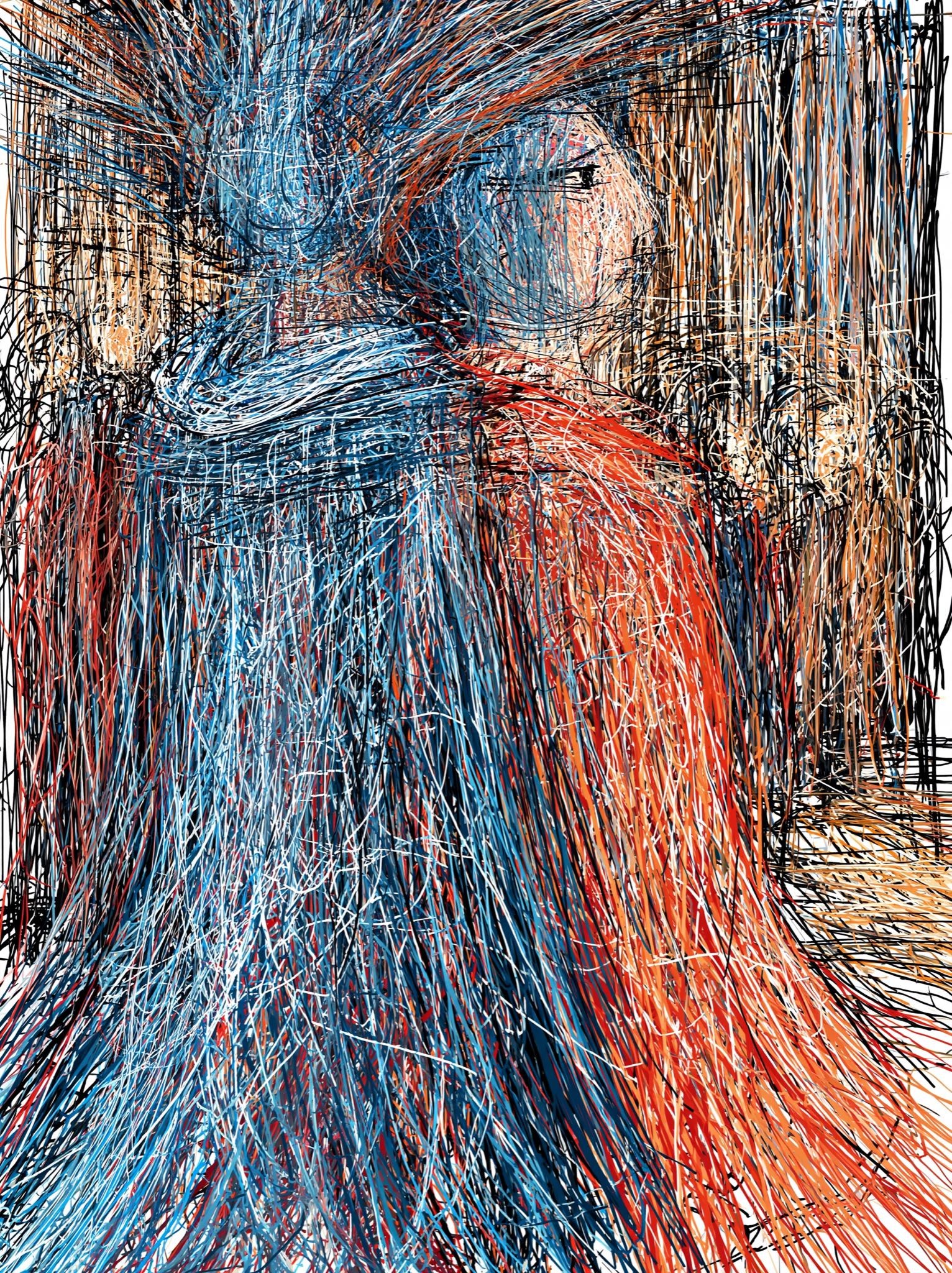
How Two Brothers Kept One Diary
The Goncourt journal says "I" for forty-five years, and for the first nineteen of them the "I" was two men, one of whom held the pen while both dictated. Edmond’s preface of 1872 explains how that worked, what the brothers thought they were doing to the people they wrote about, and why the diary could only be published, in his lifetime, in part.
Read Feature →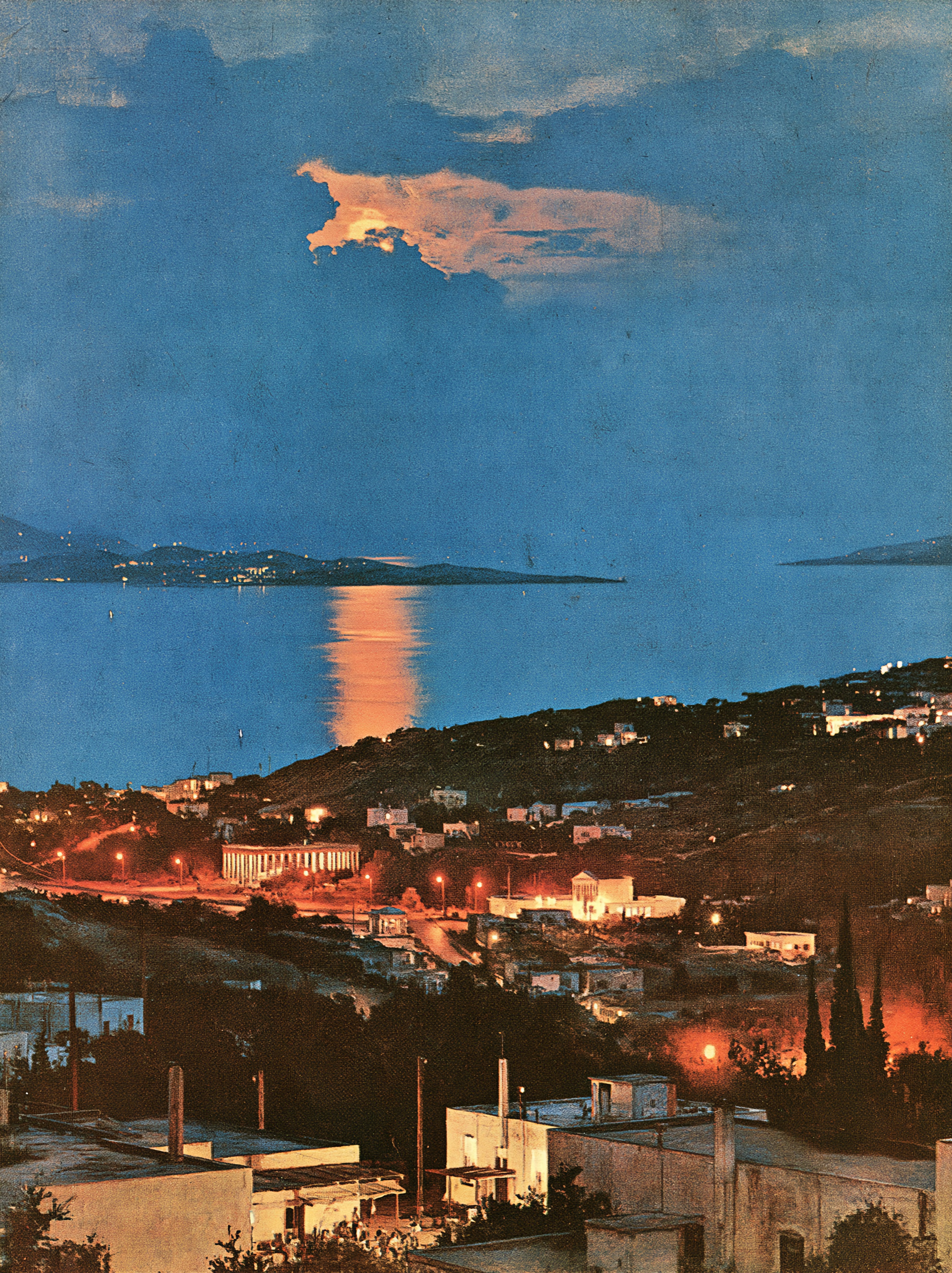
A Storehouse Kept in Its Original Disorder
Aulus Gellius spent the winter nights of a year in Attica copying out whatever struck him in the books he read and the talk he heard, and then, unusually, published the notes in the order he had made them. His preface to the Attic Nights is the earliest full account we have of what a commonplace book is for, and the best guide to reading one.
Read Feature →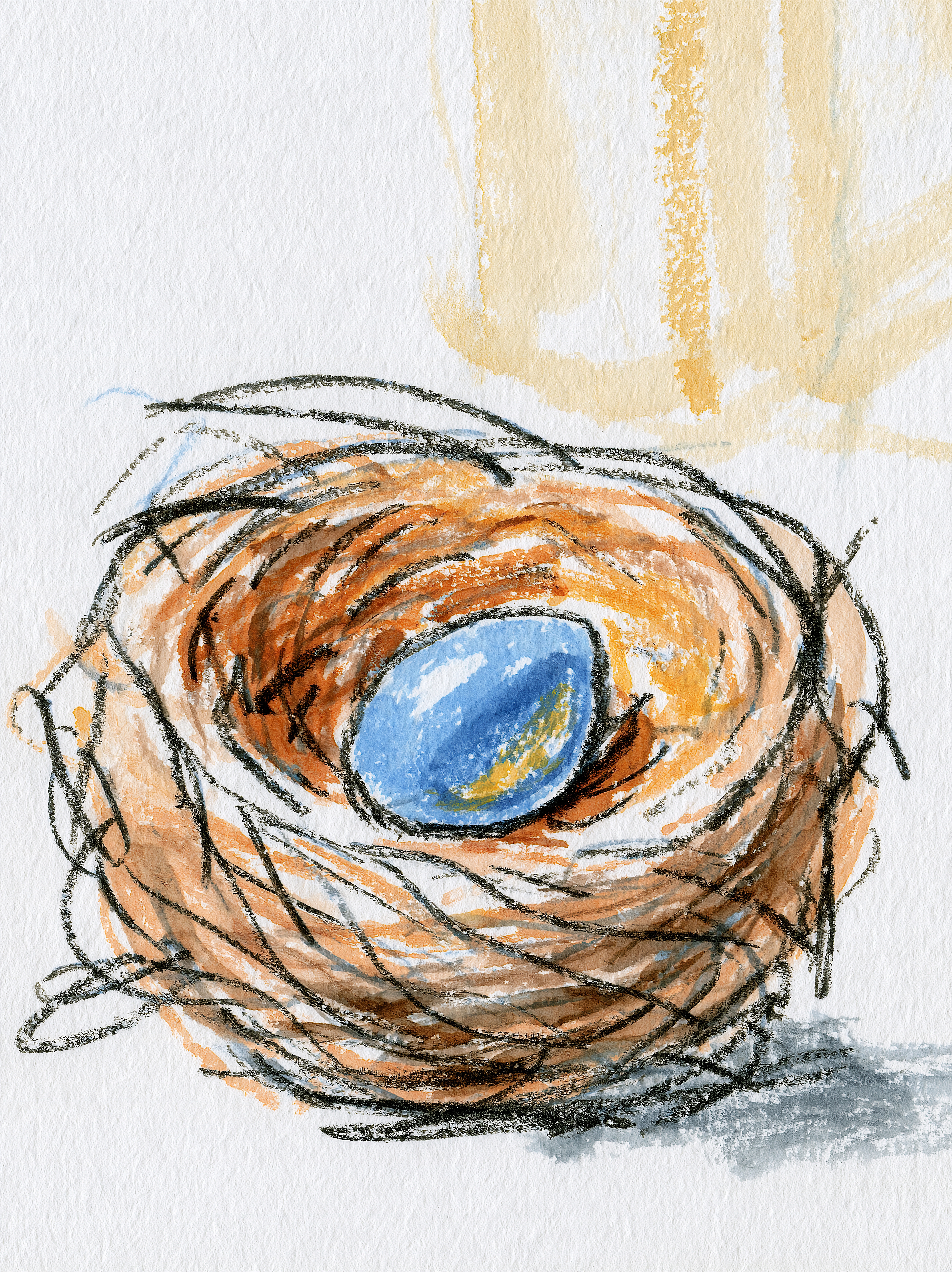
A Nest Egg for Thoughts
On 22 January 1852, Thoreau wrote about a friend who could not hear him finely, then described how a journal preserves one thought and invites the next.
Read Feature →
The Book Was Empty When He Got It
A blank notebook given to Thomas Traherne became the Centuries of Meditations: hundreds of reflections written for one unnamed reader and first published more than two centuries later.
Read Feature →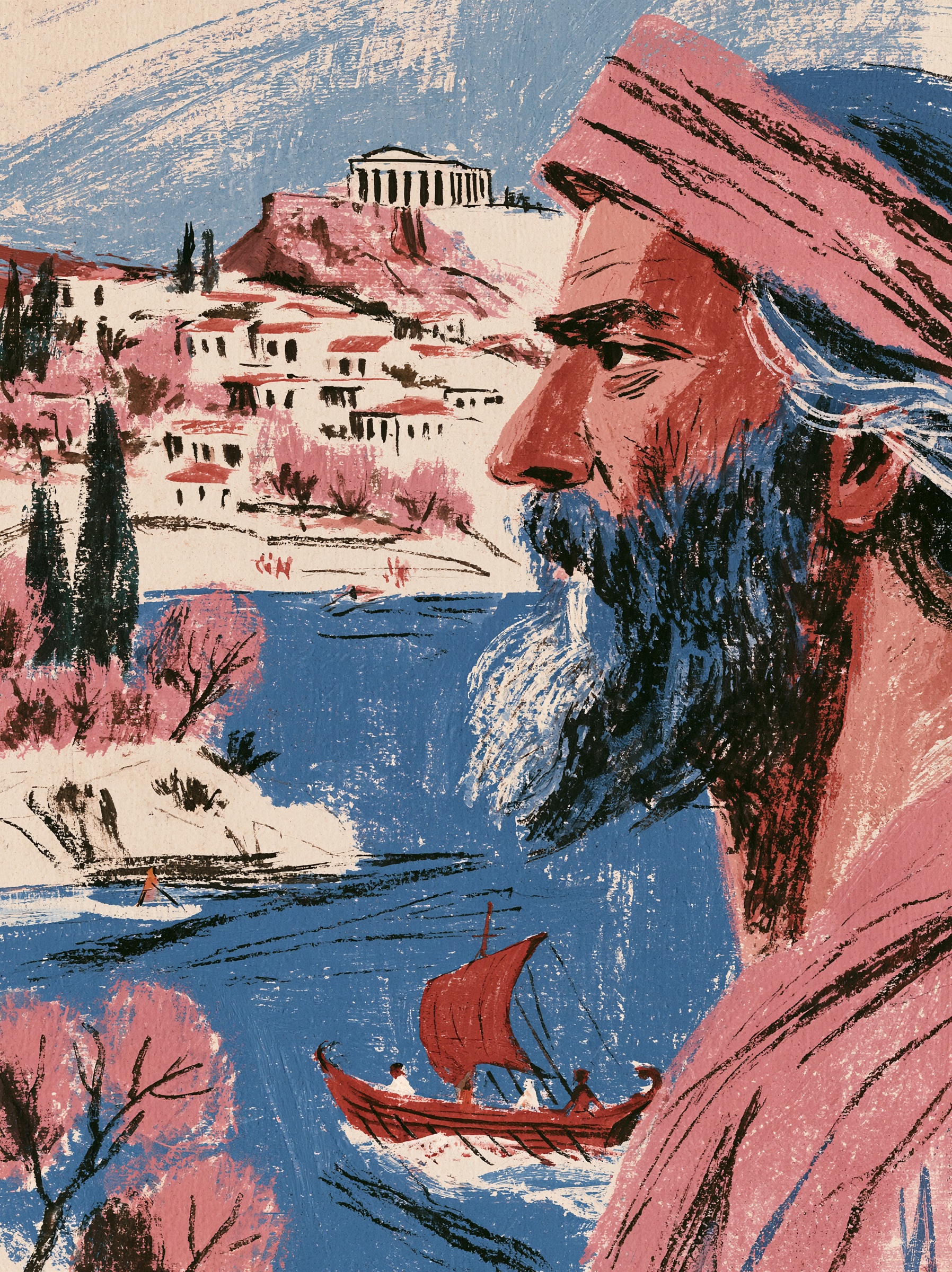
Socrates Comes Home from Potidaea
Plato’s *Charmides* begins with a soldier back from a siege walking into a wrestling school and being asked who died. The siege was Potidaea, one of the sparks of the Peloponnesian War, and following that first sentence outward, into the history it names and the futures of the men in the room, changes how the conversation about self-restraint that follows should be read.
Read Feature →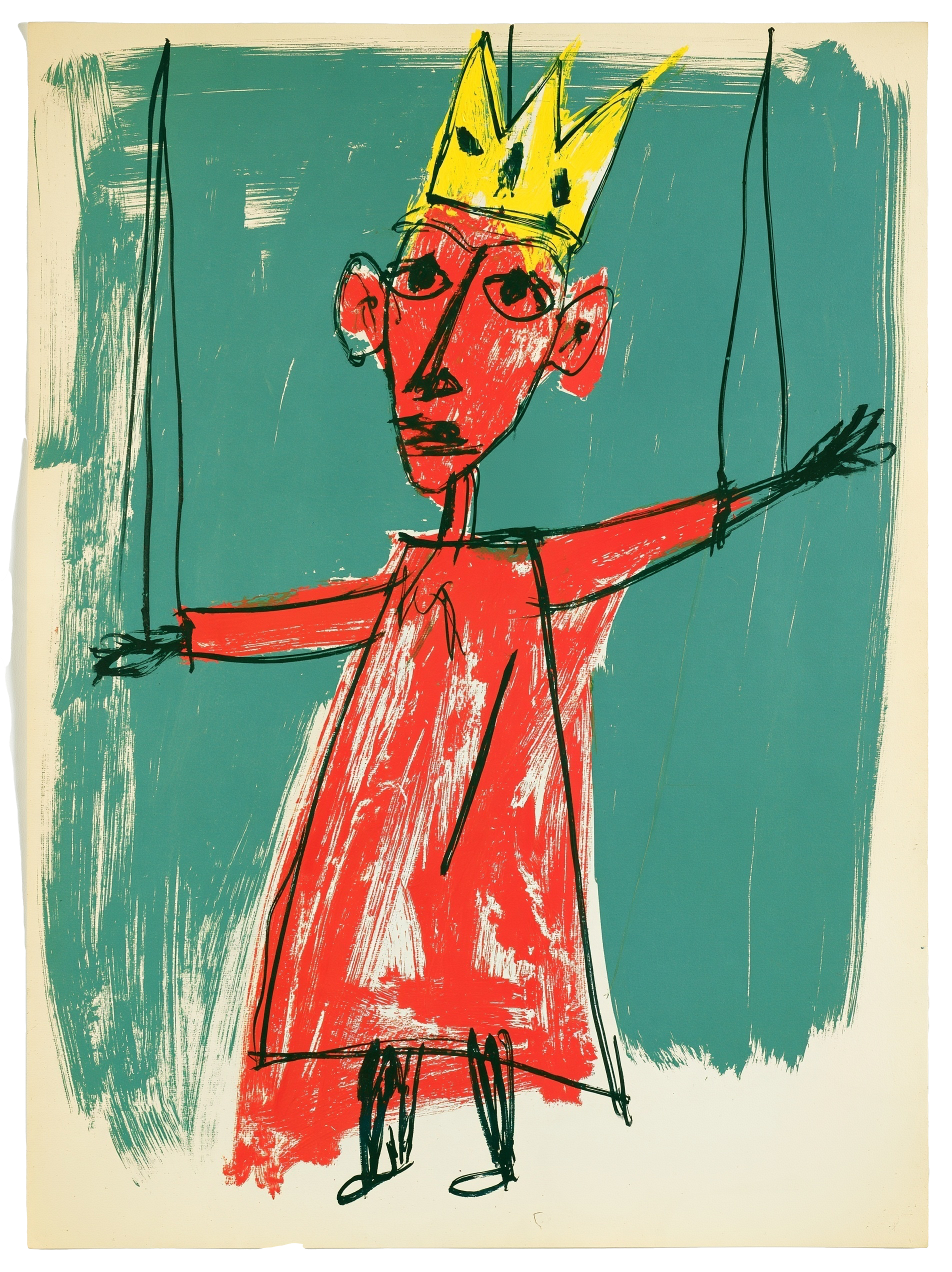
The Fifth String
An original fable, told the way the old literary fairy tales are told: a puppet king in a toyshop window wants to stand up without strings, and learns, after a flood and a fisherman's daughter and a one-eyed gull, that there was a fifth string all along, too fine to see, which does not pull.
Read Feature →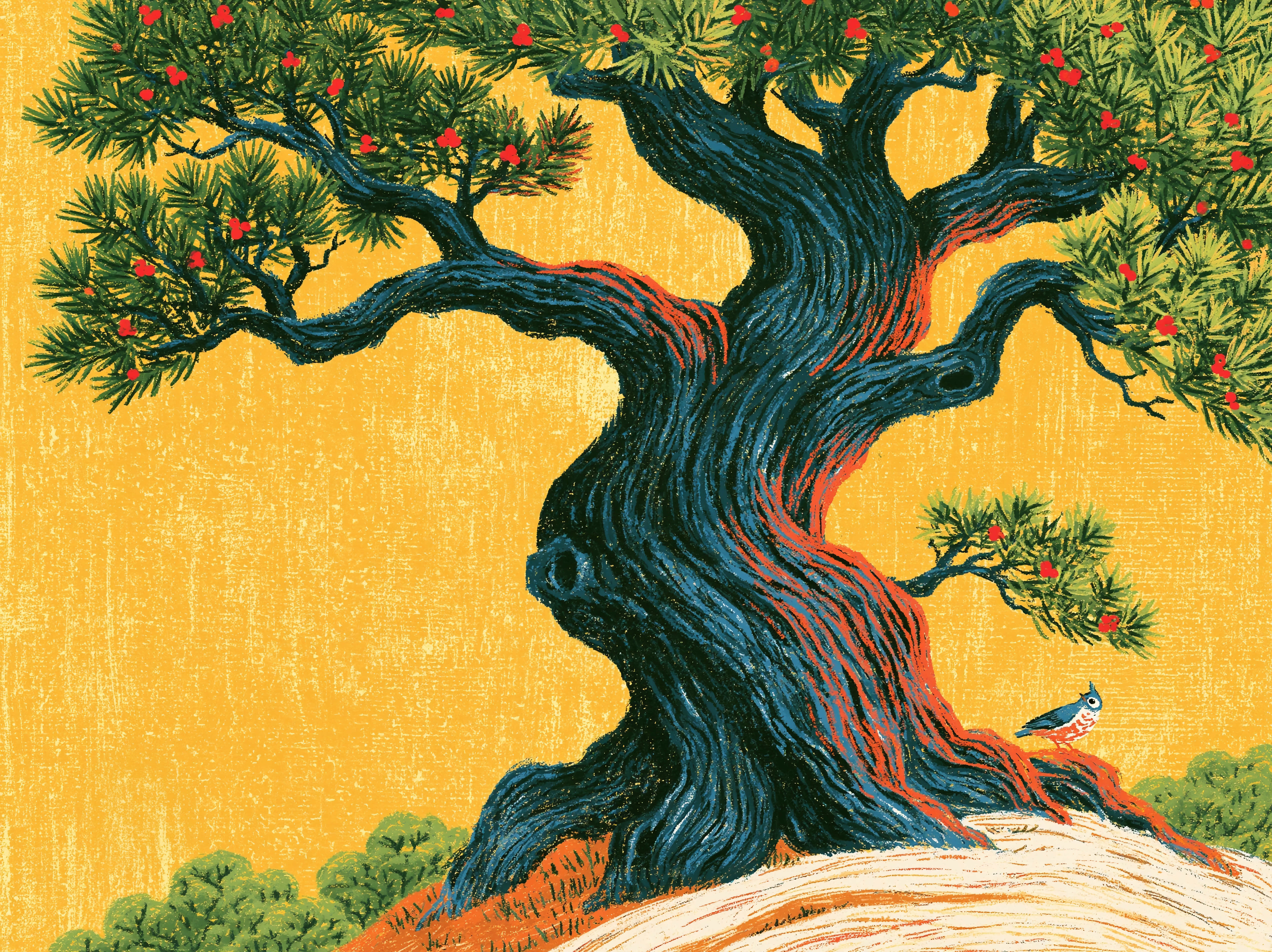
The Song the Bird Would Not Sing Twice for Nothing
In the Grimms' "The Juniper Tree" (KHM 47), a murdered boy returns as a bird and sings the story of his own death, first to strangers and then under his family's windows. This feature follows that seven-line song through the tale, and through the painter Philipp Otto Runge's part in writing it down, to show how a song can carry a story of murder toward judgement, restitution and return.
Read Feature →
The Word Karma Meant Before It Meant Payback
"Karma" in everyday English means what goes around comes around: the universe keeping score. The Sanskrit word it comes from means "deed," and the two oldest texts in which it became a doctrine, an Upanishad and the *Bhagavad Gita*, use it to say something almost the opposite of the modern slogan. This explainer follows the word from its root, through the sentence in which it first became a law of moral cause, to the Gita's instruction to act without any concern for what comes back, and shows where the popular sense fits the sources and where it leaves them.
Read Feature →
The Old English Refrain Nobody Can Quite Translate
“Deor,” a forty-two-line poem in the tenth-century Exeter Book, ends each of its six stanzas with the refrain þæs ofereode, þisses swa mæg—often translated “that passed over, so may this.” Its grammar resists a simple English equivalent. This essay follows the poem’s legendary sorrows and asks what its ambiguous promise can offer someone still waiting for grief to pass.
Read Feature →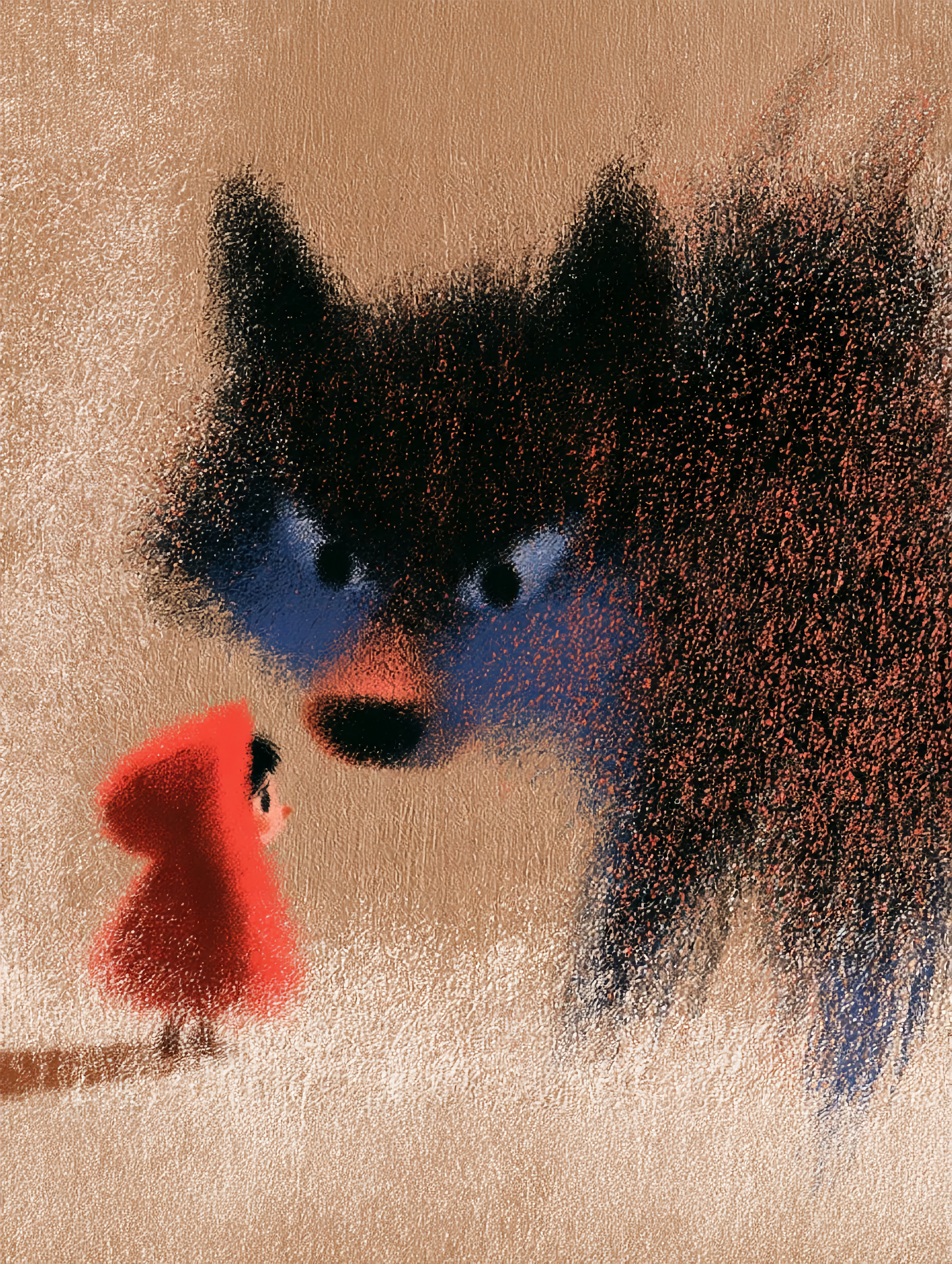
Perrault's Morals: A Guide to the Fairy Tale That Explains Itself
In Charles Perrault's collection of 1697, the book that gave the world its Cinderella, Puss in Boots, and Sleeping Beauty, every tale ends with a rhymed "Moral," and the morals are stranger than the tales. This introduction explains where the book came from, why its morals are addressed to a different audience from its stories, and how to read two of them, the one that follows a Red Riding Hood who is never rescued and the pair that follow Bluebeard, so that the gap between the story and its lesson becomes the most interesting thing on the page.
Read Feature →